- info@maldivestourism.org
- +919810066496
- +9198110 66496
Quick overview: The best things to do in Maldives split into three buckets: water (snorkel house reefs, swim with whale sharks in South Ari, chase mantas at Hanifaru Bay), island life (local islands like Maafushi, the Male fish market, sandbank picnics), and slow luxury (overwater villas, sunset cruises, spa). Most trips mix all three. Prices below are as of July 2026, with rupee figures at about ₹96 to the US dollar.
The top things to do in Maldives are snorkelling the house reefs, swimming with whale sharks in South Ari Atoll, watching mantas at Hanifaru Bay, a sandbank picnic, and an evening on a local island like Maafushi. Water first, everything else second.
Think of a Maldives trip as water first. You are on a country made almost entirely of water, so the best hours are spent in it or on it. Slip a mask on at your resort or guesthouse house reef and you will see reef sharks, parrotfish, and green turtles within the first ten minutes, often close enough to touch (do not).
Snorkelling is the activity that pays back the most for the least money. A group snorkel trip with lunch runs about USD 30 to 45 (₹2,900 to 4,300) per person from a local island as of July 2026, and the reefs off South Ari and North Male atolls are some of the busiest for marine life.
Then there is the big-ticket wildlife. South Ari Atoll holds resident juvenile whale sharks all year, which makes a whale shark snorkel trip (around USD 100, about ₹9,600, per person with lunch from Maafushi) one of the few sure things in a country that rarely guarantees anything.
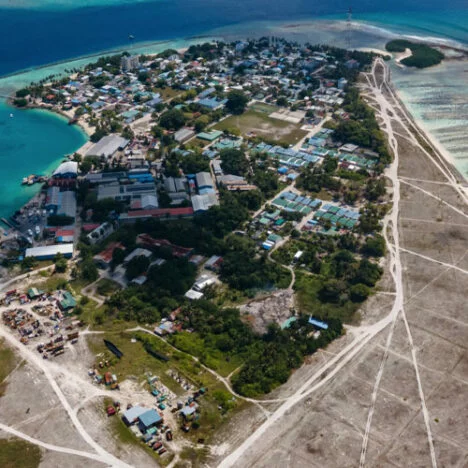
Do not skip land entirely. A half day on a local island shows you a side of the country the resort brochures leave out: Coral-stone mosques, corner shops, kids playing football on the jetty at dusk. Balance the two and you have the trip most people fly home wishing they had planned.
The best things to do in Maldives for couples are a private sandbank picnic, a sunset dolphin cruise, a couples spa treatment over the lagoon, and dinner at an underwater restaurant. Book the sandbank and the cruise early, since resorts cap daily slots.
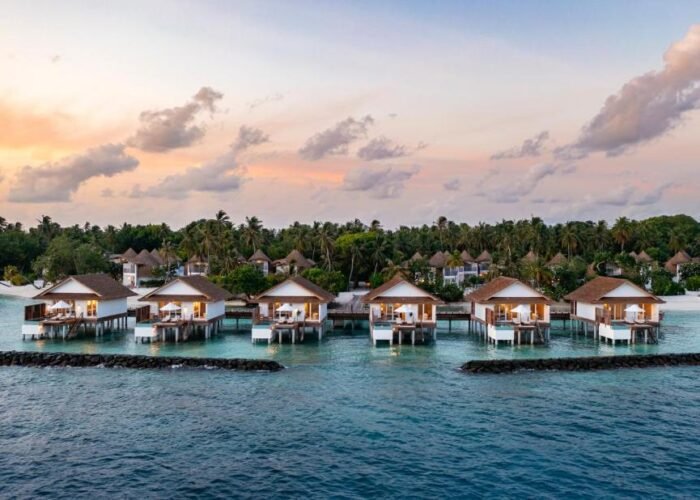
An overwater villa is the postcard, and for a honeymoon it earns the splurge. Just be honest about how you will spend the days. If you are out on boat trips from breakfast to sunset, that villa sits empty and the money is wasted. Match the room to the trip.
A private sandbank drop-off is the one to book. The speedboat leaves you on a strip of white sand in the middle of the ocean with a hamper and an umbrella, then collects you two hours later. Expect roughly USD 50 to 125 (₹4,800 to 12,000) per couple depending on the resort or guesthouse, as of July 2026.
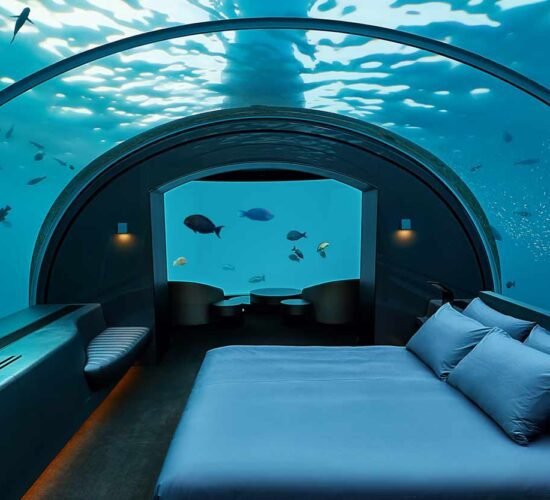
For dinner, the Ithaa Undersea Restaurant at Conrad Rangali Island sits about five metres below the surface, with reef fish drifting past the glass while you eat. A four-course set lunch runs about USD 220 (₹21,000) per person and the seven-course dinner about USD 330 (₹31,700), both before a 22 percent tax and service charge, as of mid 2026. Treat it as the one big night rather than a habit, and reserve up to two weeks ahead, since the room seats just 14.
Cap a day with a sunset cruise. Dolphins ride the bow on most North and South Male atoll trips, and a sparkling wine option is standard on resort boats. On a local island, alcohol stays resort side, so plan the drinks night accordingly.
Families can snorkel shallow house reefs, ride a glass-bottom boat, join a dolphin cruise, and use resort kids’ clubs. Pick a resort with a protected lagoon and a shallow reef so younger children can wade in safely.
Snorkelling works for kids the moment they can float with a mask. Shallow lagoon reefs mean small swimmers see clownfish and rays in waist-deep water, and most resorts lend child-size fins and buoyancy vests free of charge.
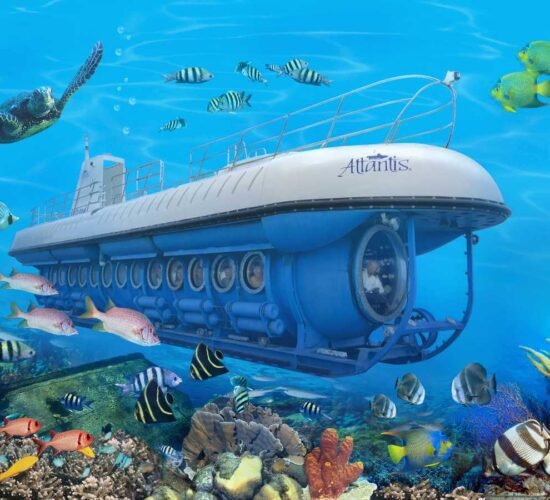
If someone in the family will not put their face in the water, a glass-bottom boat or the Whale Submarine off Male solves it. The submarine descends past coral walls and schooling fish without anyone getting wet, which wins over nervous grandparents and toddlers alike.
Many resorts run kids’ clubs with marine biologists who do turtle talks and reef-safe art sessions, often included in the rate. Ask what is free before you book, because paid babysitting adds up fast at USD 20 to 30 (₹1,900 to 2,900) an hour.
The best free things to do in the Maldives are beach walks, sunrise and sunset watching, stargazing, house-reef snorkelling with your own gear, and wandering a local island. On local islands you can also visit the harbour, fish market, and coral-stone mosque at no cost.
Money runs fast here, so the free hours matter. Walk the beach at first light before the heat and the crowds, when the lagoon is glass and the sand is empty. It costs nothing and it is the memory most people keep.
Bring your own mask and fins and the house reef is free forever. That single decision saves USD 10 to 15 (₹950 to 1,450) a day in rental and lets you drop in whenever the light looks good.
After dark, look up. With almost no light pollution on the smaller islands, the stars come out thick, and on certain beaches you may catch glowing plankton lighting up the shallows blue when you disturb the water. Vaadhoo Island is the name people chase for it, though it appears seasonally and is never promised.
On a local island, the harbour at sunset, the morning fish market, and the old coral-stone mosque are all free to walk through. Dress modestly away from the tourist beach and you will be welcomed.
In December you can snorkel and scuba in the calmest, clearest water of the year, chase whale sharks in South Ari, and take sandbank trips under dry-season skies. December is peak season, so book resorts and excursions well ahead.
December sits in the northeast monsoon, the dry season that runs roughly December to April. Seas turn calm, visibility underwater jumps, and the sandbank and snorkel trips that get cancelled in stormy months almost always run.
The trade-off is people and price. December, especially the Christmas and New Year stretch, is the busiest and most expensive window of the year, so lock in flights, rooms, and the popular excursions early.
One seasonal note for wildlife: Hanifaru Bay mantas peak from May to November, not December. If a manta swarm is your goal, aim for the green season instead. Whale sharks in South Ari, on the other hand, are there year-round, so December still delivers the headline animal.
Over 7 days you can combine a local island, a resort or guesthouse in South Ari for whale sharks, and a night near Male for the flight home. This mix balances cost, marine life, and travel time without rushing.
Seven days is enough to see two or three atolls without living on boats. Here is a day-by-day plan that keeps costs and travel time in check, built around a local island and the South Ari whale sharks.
|
Day |
Base |
Plan and anchors |
|
1 |
Hulhumale |
Land at Velana airport, taxi about 10 minutes to Hulhumale. Evening beach walk, then the Male fish market before it closes |
|
2 |
Maafushi |
Male to Maafushi by public ferry (MVR 22, about ₹135, roughly 90 minutes, departs 3pm daily except Fridays) or speedboat (30 to 45 minutes, USD 25 to 30 or ₹2,400 to 2,900). Afternoon house-reef snorkel |
|
3 |
Maafushi |
Full-day whale shark and snorkel trip to South Ari Atoll, about USD 100 (₹9,600) per person with lunch |
|
4 |
Maafushi |
Sandbank picnic (USD 50 to 125, ₹4,800 to 12,000), then a sunset fishing trip in the evening (about USD 25 or ₹2,400 per person) |
|
5 |
Dhigurah (South Ari) |
Speedboat transfer, walk the three-kilometre sandbar, snorkel the house reef |
|
6 |
Dhigurah or Baa |
Second whale shark search off South Ari, or seaplane north to Baa Atoll for Hanifaru mantas (May to November only) |
|
7 |
Hulhumale |
Speedboat back toward Male, one last snorkel or a spa hour, then fly home |
Two rules keep this plan smooth. Public ferries are cheap but slow and skip Fridays, so if your dates are tight, pay for the speedboat instead. And seaplanes fly in daylight only, so a flight that lands after about 3pm can cost you a paid night in Male before you reach a far atoll like Baa.
The most unique things to do in the Maldives are dining underwater at Ithaa, snorkelling the manta swarm at Hanifaru Bay, walking a beach lit by glowing plankton, and surfing reef breaks like Cokes off Thulusdhoo. Each one is tied to a specific island or season.
Hanifaru Bay in Baa Atoll is the standout. From May to November, plankton pools in the horseshoe bay and pulls in dozens of mantas, sometimes whale sharks too, feeding in a slow swirl you snorkel above. It is a UNESCO Biosphere Reserve, so scuba is banned, ranger slots are timed, and numbers are capped. That control is why it still works.
For a different kind of rare, the reef breaks off Thulusdhoo in North Male, known as Cokes and Chickens, draw surfers from March to October. You can watch from the beach or paddle out if you can handle a shallow reef bottom.
Then there is the glowing plankton. On the right night, on the right beach, the shallows flicker electric blue as you walk. No operator can promise it, which is exactly what makes catching it feel earned.
The best things to do in the Maldives for adults are getting scuba certified, taking a sunset cruise, booking a private sandbank dinner, and unwinding at an overwater spa. Adult-only resorts also run wine tastings and late reef trips couples and friends tend to love.
The warm, clear water makes the Maldives one of the easiest places to earn your open-water scuba certification. Expect roughly USD 400 to 600 (₹38,000 to 57,500) over three to four days at most resorts and many Maafushi centres as of July 2026, and confirm the current rate before you commit. Beginners find the calm lagoons far gentler than colder training waters back home.
For a slower pace, book a spa treatment over the lagoon and time it for late afternoon, when the heat drops and the light goes gold through the floor window. Pair it with a sunset cruise and you have the adult version of a perfect Maldives day.
Groups of friends do well on a liveaboard, a boat you sleep on that moves between reefs so you wake up at a new site each morning. It suits certified snorkellers and scuba fans who want reef time over resort time, and it often costs less per night than an overwater villa.
Most Maldives activities cost between USD 25 and USD 125 (₹2,400 to 12,000) per person, with whale shark trips near USD 100 (₹9,600) and sandbank picnics from USD 50 (₹4,800). Underwater dining and overwater villas run far higher. Below are typical prices as of July 2026.
|
Activity |
Typical cost per person (as of Jul 2026) |
|
Group snorkel trip with lunch |
USD 30 to 45 (₹2,900 to 4,300) |
|
Whale shark snorkel trip (South Ari) |
Around USD 100 (₹9,600) |
|
Sunset fishing trip |
Around USD 25 (₹2,400) |
|
Sandbank picnic |
USD 50 to 125 (₹4,800 to 12,000) |
|
Glass-bottom boat or submarine |
USD 30 to 130 (₹2,900 to 12,500) |
|
Underwater dinner (Ithaa) |
USD 220 lunch / USD 330 dinner, ₹21,000 / ₹31,700 (plus 22% tax) |
Two costs catch first-timers off guard. A green tax applies per person per night, about USD 6 (₹575) at guesthouses and USD 12 (₹1,150) at resorts as of 2026, and a tourism goods and services tax of 17 percent plus a 10 percent service charge lands on most resort bills. Read the small print before you book.
A local tip that saves real money: Do not pre-book excursions online. Wait until you land, then ask your guesthouse owner. They pool guests into group trips and often charge close to half the online rate.
What is the number one thing to do in the Maldives? Snorkelling the house reef. It is cheap or free with your own gear, works for all ages, and puts you face to face with reef sharks, turtles, and rays within minutes. Everything else builds on it.
Can you do the Maldives on a budget? Yes. Stay on a local island like Maafushi where guesthouses start around USD 45 to 65 (₹4,300 to 6,200) a night, eat at local cafes, and join shared group excursions. A budget Maldives week costs a fraction of a resort stay.
Is December a good time to visit the Maldives? Yes, for weather. December is dry season with calm, clear water and reliable excursions. It is also the busiest and priciest month, so book early. Note that Hanifaru mantas peak May to November, not December.
Do you need to know how to swim in the Maldives? It helps a lot, since the best activities are in the water. Non-swimmers can still enjoy glass-bottom boats, the Whale Submarine, sandbank trips, and shallow lagoons with a buoyancy vest and a guide.
What can you do in the Maldives for free? Beach walks, sunrise and sunset watching, stargazing, house-reef snorkelling with your own gear, and exploring a local island harbour, fish market, and mosque. The best hours here often cost nothing.
The Maldives rewards travellers who mix water, island life, and a little slow luxury rather than banking everything on one overwater villa. Sort your snorkel trips, one big wildlife day, and a sandbank picnic first, and the rest falls into place. Want help shaping the perfect itinerary? There is more waiting for you at maldivestourism.org.
An experienced Maldives tour operator, with a team of an experienced travel enthusiast ensure to give our clients well-designed Maldives tour packages.
Maldives Tourism has received numerous accolades from its happy customers for its excellent services and best Maldives holidays.
We have local office in Maldives for our customers to find assistance anytime and anywhere.
Do not hesitage to give us a call. We are an expert team and we are happy to talk to you.
+91-9810066496
info@maldivestourism.org