- info@maldivestourism.org
- +919810066496
- +9198110 66496
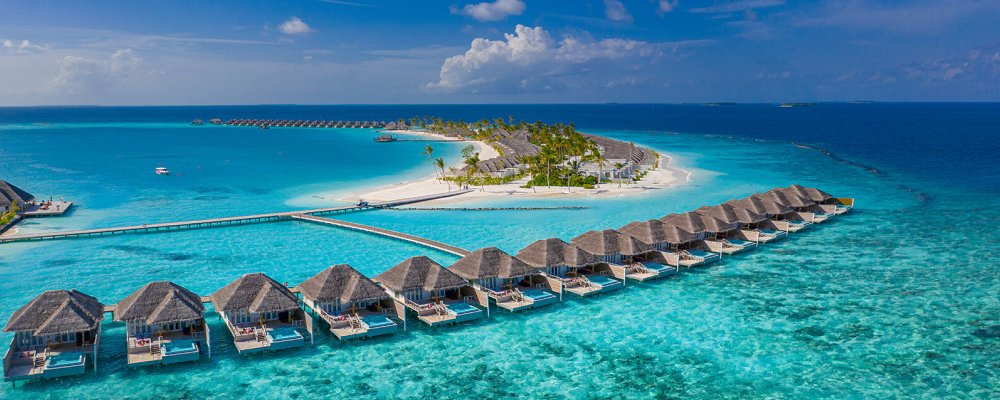
Whether you want to be with friends or family, no other location can be as great as Maldives for holidays. Its weather stays warm year-round, though some variations impact the ideal times to visit.
Generally, the best time to visit Maldives is the high season from December to April which brings sunny, dry weather, but also higher prices and more crowds. The shoulder seasons offer excellent weather at more affordable rates.
Thelow season in Maldives from May to November sees lower prices and fewer tourists, though there is more rain. This guide helps you find out the ideal travel season for Maldives, best time to plan activities in Maldives and a month-by-month travel guide. Read on to help plan that perfect beach vacation in paradise!
| Ideal Season for a Maldives Trip | Best Time for Activities in Maldives |
|---|---|
| Temperature Guide for Maldives | Weather in The Maldives throughout the year | |
| Maldives Weather by Month Chart | |
| When to Go to the Maldives, month by month guide | |
| Frequently Asked Questions | |
Read more : Best island of maldives
1. Ideal Travel Conditions: The peak tourist season for visiting the Maldives runs from December to April. This correlates with the driest weather and bluest skies in the Maldives. Places like Male, Ari Atoll, and Addu Atoll are bathed in sunshine, with very little rain to dampen resort stays or excursions like snorkeling and diving.
2. Weather & Temperature: December through April are ideal for beach escapes, with average daily high temperatures between 30°C to 32°C. The warming waters also make swimming and water sports like kayaking comfortable. Expect 8 to 10 hours of daily sunshine to bask under.
3. Crowds & Cost: Resort rates hit yearly highs during this window, however. Room availability may also be sparse at popular properties, requiring long advance booking. The surf, sights and weather also draw huge tourist crowds, diminishing the remote island vibe.
4. Flight & Connectivity: Transport connections are frequent and smooth in peak season. International flight routes operate daily services to Male International Airport from leading global hubs like Singapore, Abu Dhabi and Colombo. Speedboat and domestic flight transfers to outer atoll resorts also run more regularly when demand is high.
Read more : Best food in Maldives
1. Fewer Crowds: Before and after the busy tourist season, the Maldives shoulder periods offer a fine balance of excellent weather with fewer tourists and lower rates. You can also consider this season to be the best time to visit Maldives. The two shoulder seasons last from November to December and May to July.
2. Weather & Temperature: During the shoulder seasons, expect mostly dry and sunny conditions. While more rain showers occur compared to the peak period, they often pass quickly. Temperatures remain very warm, ranging from 27°C to 31°C on average.
3. Prices & Discounts: Resort rates also see discounts of 20% to 50% or more compared to what peak season guests pay. Booking flexibility also improves, though early reservations still save money. The best time to visit Maldives months sees far fewer tourists as well, letting visitors enjoy emptier beaches and reef dives.
4. Transportation & Connectivity: Transport does become less frequent in the shoulder season, however. International flights shrink to several times weekly while speedboat transfers may also decline. Planning connections in advance and allowing longer transit time is wise.
Read more : Best shopping in Maldives
1. Wettest Time of the Year: The Maldives low season months span from mid-April to November. This coincides with the region’s southwest monsoon and the highest chance of storms or showers. However, the wet weather rarely lasts long thanks to the Maldives’ unique geography.
2. Weather & Temperature: May through November brings the highest rainfall, though many days still clock the sun. Showers typically pass within hours. Temperatures hover around 27°C during the day, with higher humidity. Surf swells kick up a bit as well during this windier period. Therefore, it is perhaps not the best time to visit Maldives.
3. Discounted Stays: The low season offers the most budget-friendly rates all year, often discounted 60% or more from high season prices. Crowds thin dramatically, ensuring private experiences across the atolls. Award space may be easier to secure as well, even at top Marriott Bonvoy and World of Hyatt resorts. Just note that some properties close entirely for maintenance during these months.
4. Flight & Connectivity: Transport delays and cancellations happen more often in low season with the rougher weather. Boat transfers in particular may be impacted. But flights generally remain consistent barring any major storms. Just prepare for the chance of some itinerary changes. If you love such conditions too, it can be the best time to visit Maldives for you.
The array of outdoor adventures available in the Maldives makes it a prime destination for water lovers. Timing your resort stays to match the optimal weather and other factors can enhance these signature activities. The next section shares the best months and considerations to improve these top things to do:
As whale sharks migrate through Maldivian waters from February to April, snorkelers can spot these gentle ocean giants, along with mantas and mobula rays. The clear skies offer superb visibility while calm seas enable effortless finning over reefs. Sites like Hanifaru Bay fill with these seasonal visitors. Book a resort stay around February to April to snorkel alongside the incredible marine life.
Best sites for snorkelling in Maldives: Hanifaru Bay, Banana Reef, & HP Reef
Wind speeds peak in the Maldives from May through October thanks to the strong southwest monsoon. This generates perfect kite-catching currents for experienced kitesurfers off coveted spots like Raalhugandu. The stormy weather also crafts larger swells for jumping. Kitesurfing both above and in the warm Indian Ocean waters is at its best during the windy low season months.
Best sites for kitesurfing in Maldives: Dhigurah Lagoon, Baa Atoll, Maafushi Lagoon
While the Maldives is better known for calm seas, certain atolls see excellent surf when conditions align. The southwest monsoon whips up swells along the southern atolls especially from March to October. Score overhead tubes at breaks like Pasta Point and Tiger Stripes over these months. Surf camps in Laamu and Gaafu Dhaalu cater to surfers timing getaways just right.
Breaks for Surfing in Maldives: Five Islands, Blue Bowls and Love Charm (south) 7 Chicken’s, Cokes and Lohis (north)
Diving is world-class year-round in the Maldives thanks to incredible visibility and vibrant marine biodiversity. But the calmest, clearest waters arise during the dry season from January to April. Spot manta and whale sharks, sea turtles, reef sharks, and more than 30+ meters of visibility. Currents also lie mostly dormant, benefitting divers of all skill levels. Time a liveaboard dive trip or resort scuba stay to these perfect months making the best time to visit Maldives even more interesting.
Best Scuba Dive sites in Maldives: Maaya Thila, Banana Reef, Fish Head, Hanifaru Bay and Alimatha Jetty
Anglers chasing trophy catches flock to the Maldives from March through May to hook sailfish, yellowfin tuna, giant trevally and more monster sport fish. These spring months see huge migratory game fish swarming northern atolls before the stormy monsoon begins. Yachts offer outstanding big game fishing charters during this bite-friendly window.
Best sites for Game Fishing in Maldives: Vaavu Atoll, Ari Atoll, & Baa Atoll
The Maldives enjoys warm tropical weather year-round, though temperatures fluctuate mildly across the seasons. Expect daily highs around 31oC, with nighttime lows rarely below 25oC even in the ‘cooler’ months.
Here is a Maldives weather chart and month-by-month temperature guide for Maldives to help find the best weather for an idyllic island getaway.
| Month | Temperature (Max) | Temperature (Min) | Rain (in mm) |
|---|---|---|---|
| January | 30°C | 25°C | 90 mm |
| February | 31°C | 25°C | 68 mm |
| March | 31°C | 26°C | 81 mm |
| April | 32°C | 26°C | 129 mm |
| May | 31°C | 26°C | 211 mm |
| June | 30°C | 27°C | 183 mm |
| July | 30°C | 25°C | 161 mm |
| August | 30°C | 25°C | 183 mm |
| September | 30°C | 25°C | 213 mm |
| October | 31°C | 24°C | 229 mm |
| November | 30°C | 25°C | 192 mm |
| December | 30°C | 25°C | 198 mm |
If you are planning a Maldives tour in January, book your trip (hotel/activities/flights) in advance. January is amongst the most popular months to travel to the Maldives due to bright sunny days. lower humidity, lesser chances of rainfall and excellent underwater visibility. The sea temperature averages around 28.2°C which is quite comfortable for snorkelers and swimmers.
February is the best month to plan a Maldives trip from India or anywhere else in the world. With just 68 mm of rainfall, February is easily the driest month of the year in the Maldives. When the sun is at its peak, the day may feel warm but the gentle ocean breeze cools you down. As the sun sets, the evenings become a lot cooler for beach walks. The underwater visibility continues to be top-notch.
March brings in plenty of sunshine during the day. The chances of rainfall remains scarce with occasional short and light showers lasting a few minutes. The underwater visibility is ideal for swimming, snorkelling and diving. The surfing season in Maldives kicks off in March, especially around the southern atoll which sees a surge in waves. The humidity is higher, but can be managed by wearing light cotton clothes.
The arrival of April marks the end of peak/high season in Maldives. The days get hotter with humidity levels reaching 75% in the day. Hydration, wearing SPF 50+ and wearing light cotton clothes is the perfect way to beat the heat. The average underwater sea temperature is around 29.9°C with good visibility. Snorkellers and divers still have plenty of chances to watch the exquisite marine life of the Maldives.
The shoulder season begins in May when the days get hot and sunny with occasional thunderstorms that help the temperatures to cool down. Rain showers can also occur during night time. The average sea temperature is around 29.6°C which allows for snorkelling and diving. May is also the turtle nesting season in the Maldives. Different species of turtles lay their eggs on the beaches of Maldives which are taken care of by conversationalists.
Maldives experiences thunderstorms and showers with high humidity levels ranging from 75% to 80%. It is caused by the southwest monsoon. The days are hot and humid with 6 to 7 hours of sunshine followed by sporadic showers. The mean sea temperature is around 29°C, however the population of planktons might affect the underwater visibility. The turtle nesting season continues, make sure to tread carefully on the beaches.
The days continue to be warmer with sudden strong showers caused by the southwestern monsoon. The humidity level goes up to 80%, however the evening breeze cools the weather a bit. It’s a good time for snorkeling as high plankton activity attracts various marine life to the shores. July is also an excellent month to take advantage of low-season discounts on hotels and resorts. The Republic Maldives also celebrates its Independence day on 26 July with fireworks and street processions.
Warm and sunny weather along with heavy but short showers continues in August in the Maldives. The winds and thunderstorms get strong with a reduction in underwater visibility — not an excellent time for snorkeling or scuba diving. The northern atolls receive slightly less rainfall, if you are planning to visit the Maldives. Carry rain poncho and dry fit clothes.
September is amongst the wettest months in the Maldives. Strong winds and rain showers followed by sunny weather continues to punctuate Maldives. Despite the strom and rains, Maldives receive 6 to 7 hours of sunshine. The unpredictable weather may cause disruption in activities like snorkelling. The resort islands receive very few tourists, so it’s a good month to avail resort living on discounted prices and enjoy the Maldives off-season travel.
The last but the wettest month of the rainy season, October is the cheapest time to visit Maldives. Budget travellers can take advantage of off-season discounts and enjoy indoor activities and spa treatments. When the sun comes up, one can still enjoy sunbathing on the beach. The underwater visibility is not good, so participation in any water sport isn’t a good idea. The surfing season also ends in Maldives.
The best time to visit Maldives is in November before the holiday season crowds of December start flocking to the island. November is certainly better than previous months for water activities. While swimming, diving or snorkelling you may actually spot a manta ray or whale shark. The air may feel humid during the day but after the sunset, nights become cooler.
The weather of Maldives in December is dry with sporadic showers and gentle breeze. The underwater visibility improves manifold – perfect for snorkeling, scuba diving and swimming. December is a busy month in Maldives with people travelling for Christmans and New Year’s eve holidays. The resort and flights expenses hike up making it an expensive time to visit the Maldives, therefore book early.
The cheapest time is during the wet, low season months of May through November. Resort rates routinely see discounts of 60% or more compared to high season pricing. Just prepare for a greater chance of rain.
The ideal weather lasts from December to April during the peak tourist season. Expect mostly dry, sunny skies with average high temperatures around 31oC during these months.
The Maldives wet season falls between May and November. This coincides with the southwest monsoon, bringing strong winds and the year’s highest chance of storms and rainfall. Showers typically pass quickly, however.
Whale shark sightings peak from February through April as these gentle giants migrate through Maldivian waters. Time a resort stay over these months to snorkel with the majestic creatures.
Surfing season spans from March through October when south swell waves whip up riding opportunities across Laamu, Gaafu Dhaalu and other southern atolls. Time a surf trip over these months to score the best waves.
Scuba diving shines year-round in the Maldives thanks to warm water and incredible visibility exceeding 30 meters. But the very calmest, clearest conditions fall from January to April during the dry season due to minimal currents and rainfall runoff.
You can snorkel in the Maldives in the rainy season during day time when the sun is out. The underwater visibility is only around 15 to 20 metres (compared to when it’s 30 to 35 metres in the peak season), snorkelling is still doable. It’s advisable to use good quality equipment for snorkelling or diving.
Yes, it is absolutely fine to visit the Maldives during Ramadan. Island resorts continue to operate normally for international tourists. Many restaurants and cafes on the local islands may be closed during the day. Water activities like snorkeling and diving goes as usual. Local guides, boat operators, etc. might shorten the day tours due to fasting.
September and October are the two months when one should avoid Maldives due to extreme stormy and rainy weather. However, you will find great deals on hotel and resort stays in Maldives.
November to April is the best time to visit Maldives from India. If you are a budget traveler, you can consider May and October to travel which will offer you a good mix of discounted stays and lesser crowds.